Everyone feels anxious sometimes. A racing heart before a job interview, restless sleep before an exam, or worry before a difficult conversation are normal parts of life. But when worry becomes constant, overwhelming, or difficult to control, it may be more than everyday stress. It could be an anxiety disorder, and speaking with a psychiatrist may help.
When Does Anxiety Become a Medical Condition?
Anxiety disorders are common mental health conditions that can affect how you think, feel, sleep, and manage everyday responsibilities. One example is generalised anxiety disorder (GAD), which involves excessive worry about different areas of life, such as work, health, finances, or family.
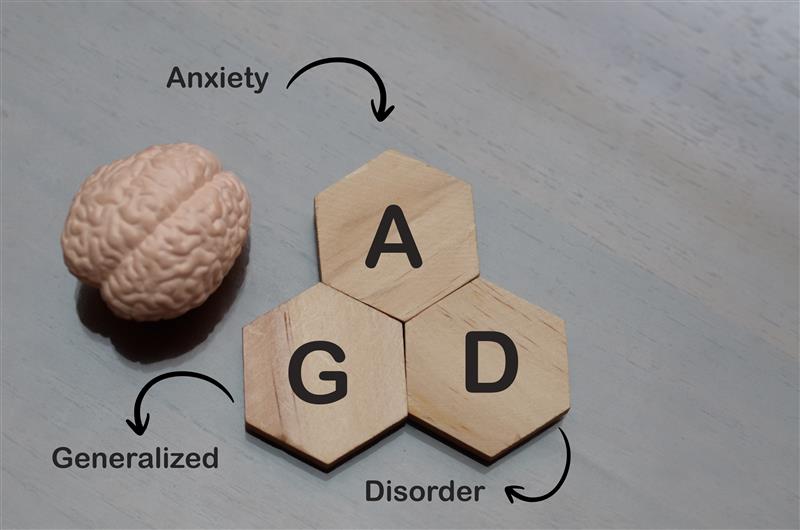
For GAD, clinical diagnostic criteria include excessive worry occurring more days than not for at least six months, difficulty controlling that worry, and symptoms such as restlessness, fatigue, poor concentration, irritability, muscle tension, or disturbed sleep. These symptoms must cause significant distress or interfere with daily life. A healthcare professional will also consider whether a medical condition, medication, or substance use could be contributing to the symptoms.
The important distinction is not simply how worried you feel, but how long the worry lasts, how difficult it is to manage, and how much it affects your life.
Signs You May Need Professional Help
Occasional anxiety is normal, but certain patterns may indicate that a professional assessment could be helpful.

Consider speaking with a healthcare professional if you experience:
Professional advice is particularly important if anxiety occurs alongside a medical condition, during pregnancy, or at a stage of life when treatment choices may require additional consideration.
When Should You See a Psychiatrist for Anxiety?
You do not have to wait until anxiety becomes unbearable to seek help. A psychiatrist may be particularly helpful when symptoms significantly affect daily functioning, previous treatment has not helped, the diagnosis is unclear, or other mental or physical health concerns complicate treatment.
If you are experiencing thoughts of self-harm or suicide, seek urgent professional support. If you are in immediate danger, contact local emergency services.
Why Early Support Matters
Anxiety can sometimes go unrecognised because its symptoms resemble physical health problems or are mistaken for ordinary stress. Without appropriate support, people may gradually begin avoiding situations that make them anxious, affecting their relationships, career opportunities, and quality of life.
The encouraging news is that anxiety disorders are treatable. Cognitive behavioural therapy (CBT) helps people recognise and change unhelpful thought patterns and behaviours. Medication, including selective serotonin reuptake inhibitors (SSRIs), may also be appropriate for some people. The right approach depends on the person's symptoms, preferences, medical history, and response to treatment.
A psychiatrist can assess your concerns, consider possible underlying causes, discuss treatment options, provide Anxiety medication and monitor your progress. If medication is recommended, the duration of treatment and any changes to it should be decided with your prescribing clinician.
Taking the First Step
If anxiety is disrupting your sleep, influencing your decisions, or making everyday life increasingly difficult, consider speaking with a qualified mental health professional.

A psychiatric consultation is not a judgement about your character or a sign of weakness. It is an opportunity to understand what you are experiencing and explore evidence-based ways to manage it.
If you are looking for a psychiatrist in the UAE, consider consulting a suitably licensed mental health professional who can assess your concerns and guide you towards appropriate care.
References and citations
1. American Psychiatric Association. Diagnostic and Statistical Manual of Mental Disorders, Fifth Edition, Text Revision (DSM-5-TR). 2022. Diagnostic criteria for generalised anxiety disorder. View DSM resources
2. National Institute for Health and Care Excellence (NICE). Generalised anxiety disorder and panic disorder in adults: management (CG113). Clinical recommendations on assessment, treatment and specialist care. Read NICE guidance
3. Merck Manual Professional Edition. Generalized Anxiety Disorder. Clinical overview of diagnostic criteria, symptoms and treatment. Read the clinical reference
4. National Institute of Mental Health (NIMH). Generalized Anxiety Disorder: What You Need to Know. Information about symptoms, diagnosis and treatment options. Read the resource


